Winter in New Zealand exposes every maintenance shortcut taken during the warmer months. Here is a practical pre-season checklist for fleet operators, covering the systems that actually fail in New Zealand conditions.
A plain-language guide for truck drivers, owner-operators, and fleet managers
A Diesel Particulate Filter (DPF) is a device fitted to the exhaust system of modern diesel trucks and buses. Its job is to capture soot and fine particulate matter produced during combustion, preventing it from being released into the atmosphere. DPFs are now standard on Euro 5 and Euro 6 compliant vehicles and are a legal emissions requirement on most late-model commercial vehicles operating in New Zealand.
The filter works by trapping soot particles in a honeycomb ceramic substrate as exhaust gases pass through. Over time, those trapped particles accumulate — and that's where maintenance becomes important.
Under normal operating conditions, a DPF cleans itself through a process called regeneration. When exhaust temperatures are high enough — typically during sustained highway driving — accumulated soot is burned off automatically. This is called passive regeneration.
When passive regeneration isn't sufficient (common in vehicles doing a lot of urban stop-start work, short runs, or idling), the engine management system triggers active regeneration, injecting extra fuel to raise exhaust temperatures and burn off the soot load.
The problem is that regeneration only removes soot. It doesn't eliminate ash — the residue left behind from engine oil combustion and fuel additives. Ash cannot be burned off. It accumulates in the filter permanently until the filter is physically cleaned or replaced.
🚨 A partially or fully blocked DPF creates back-pressure in the exhaust system. The consequences are significant:
A new DPF for a heavy truck can cost anywhere from $3,000 to $10,000 or more, depending on the make and model. Periodic cleaning is a fraction of that cost.
🔍 Watch for these indicators:
If your vehicle is regularly doing short urban runs, construction site work, or extended idling, the DPF is under greater stress than a long-haul truck and should be inspected more regularly.
Regular professional cleaning — the frequency depending on the application and engine type, though your manufacturer's schedule should always be the reference — removes the ash and hardened deposits that regeneration cannot touch. The result is a filter that flows freely, performs as designed, and has a significantly extended service life.
✅ The cost-benefit case is straightforward: a professional clean costs a fraction of DPF replacement, restores fuel efficiency, and avoids the downtime and diagnostic costs that come with a blocked filter causing fault codes or limp mode.
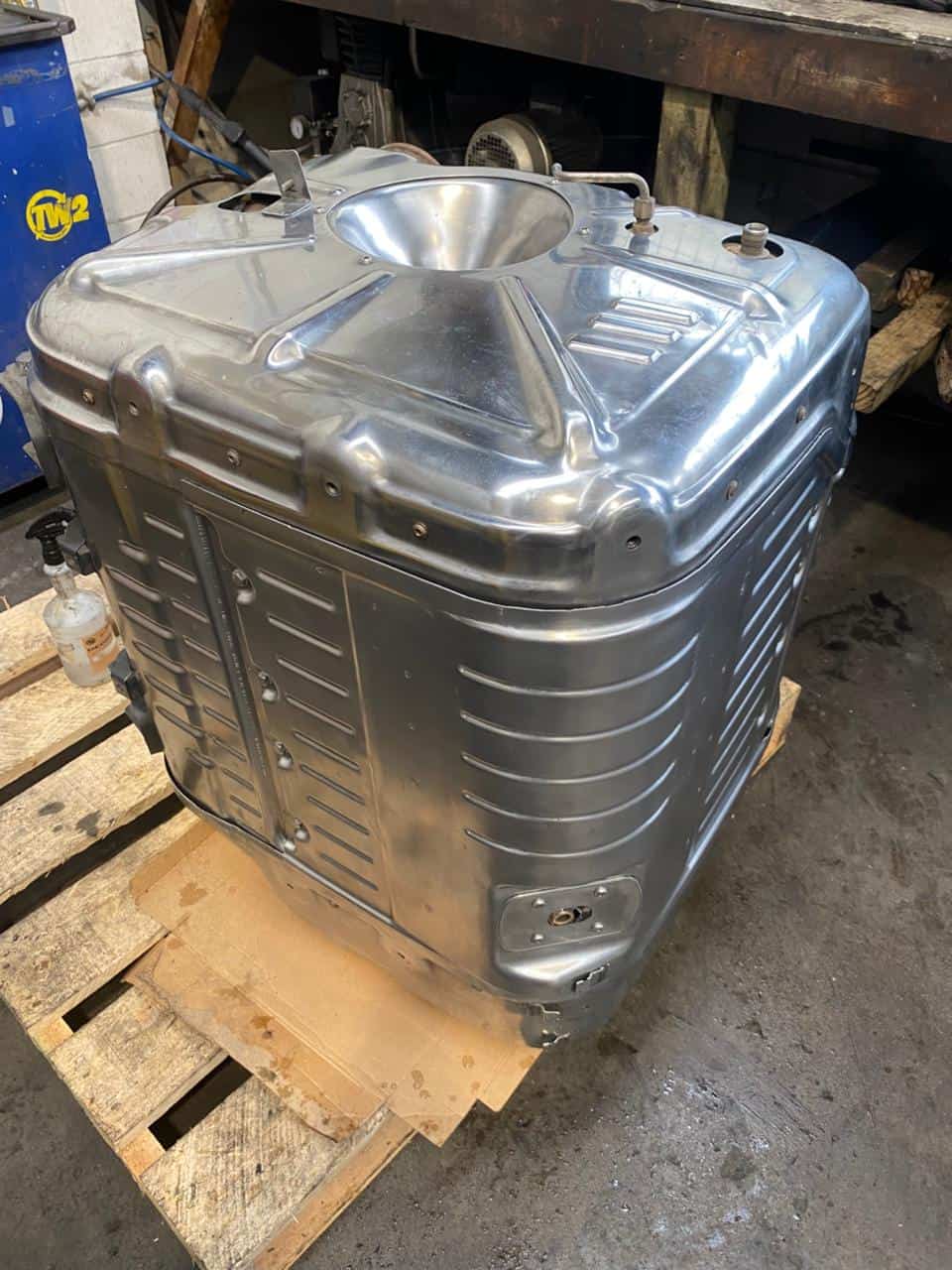
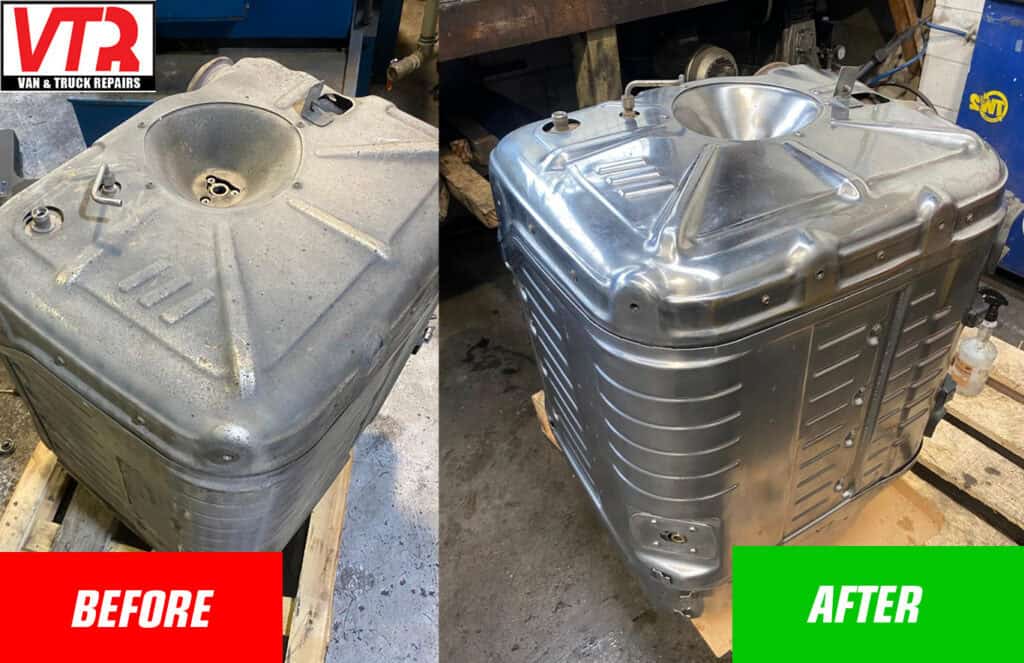
Van & Truck Repairs has invested in a new DPF cleaning machine — purpose-built for heavy-duty trucks and commercial vehicles.
The process uses a three-stage approach: warm water flushing with a certified cleaning agent, followed by alternating high-pressure air purging and wave surge technology. This combination dislodges and flushes out ash and compacted deposits from the honeycomb substrate with cleaning effectiveness approaching 100% clearance of blocked channels.
🔧 Key points about our process:
The machine holds CE, SGS, and ISO certifications, and the cleaning agent is independently certified by Swiss SGS.
If your vehicle is showing DPF warning signs, or if you'd like to include DPF cleaning in your fleet's scheduled maintenance programme, get in touch with the team at Van & Truck Repairs. We're based in South Auckland and work across a wide range of makes and models.
Contact us on (09) 600 2691 or visit us at 17 Kaka Street, Otahuhu, Auckland.
Winter in New Zealand exposes every maintenance shortcut taken during the warmer months. Here is a practical pre-season checklist for fleet operators, covering the systems that actually fail in New Zealand conditions.
Auckland diesel has surged 70% in a single month — here's exactly what New Zealand truck drivers can do right now to cut fuel costs and protect their income.
VTR's new smoke-based leak detection system quickly finds hidden air leaks in turbo, intake & exhaust systems.
Why smart Auckland fleet managers service trucks in November. Prevent summer breakdowns, save 62% on downtime.
How NZ's new Freight Action Plan impacts your transport costs and fleet management. 5 strategies to boost freight productivity and navigate regulatory reforms.
Smart fleet managers use pre-COF inspections to avoid expensive failures. Learn how a $300-500 investment can save you thousands in emergency repairs.
Modern truck transmissions are more efficient but require smarter maintenance. Learn how today's gearboxes differ from older models, get practical tips to extend transmission life, and discover why regular servicing prevents costly breakdowns.
Managing a truck fleet in New Zealand has never been more challenging, with fleet managers from Auckland to Christchurch facing a perfect storm of critical driver shortages, complex regulatory requirements, and unpredictable maintenance costs that can devastate budgets overnight.